



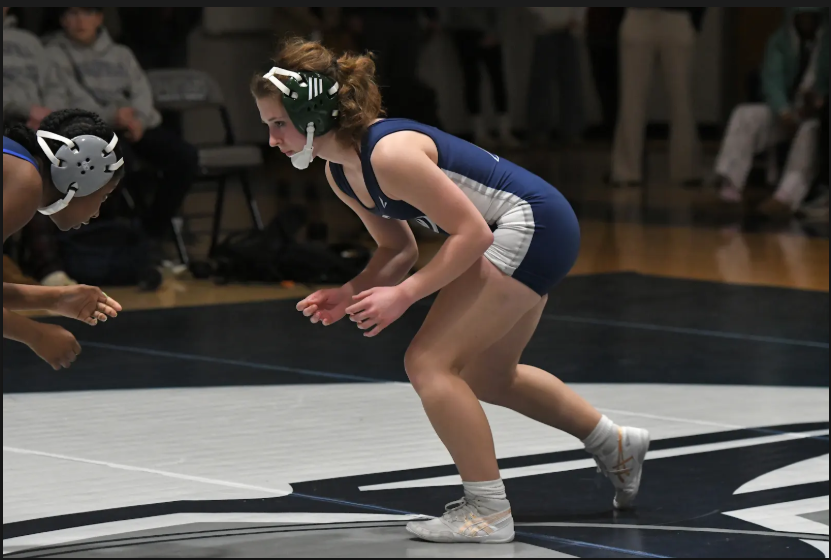

Science, technology, engineering, and math: the four components of STEM, at the front innovations that help our future. Here in Springfield, STEM clubs are a fun space to hang out with friends and provide students with the tools necessary to further explore these fields.
Springfield’s STEM clubs encourage students to be problem solvers and encourage them to work together. Through building robots, thinking about the environment, competing in video games, and so much more, the school helps nurture students’ passion for STEM. There, students learn to visualize themselves as creative thinkers, problem solvers, and world-changers.
Robotics
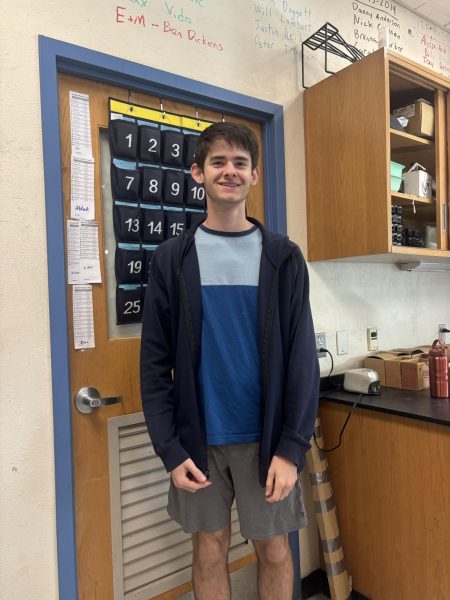
Anyone can agree that robots are interesting–especially the Robotics club. Senior and co-captain of robotics Nick Kerper says he’s had a deep fascination with science, and since he joined the robotics club, he’s “been continuing on.” Being in the club “teaches [him] a ton about problem solving and new experimentation.”
Robotics club isn’t just about building robots, though; it’s also a great social place to meet new people who share your interests and talk about STEM. Sophomore, Bella Nguyen shares that she “learn[s] a lot from them because …they show [her] a lot about robotics or technical stuff in STEM.”
It’s not just after school at their meetings where members explore STEM. Many love STEM so much they pursue it in and outside of school as well, Kerper said he takes “a ton of science classes,” and watches “a ton of science YouTube” as well. Nguyen says that STEM also has a big impact in the Springfield community. She says that because we’re a smaller school, Robotics members can “reach out to a big chunk of the school.”
Kerper says that robotics is more than just building robots; it’s where people “[chat] about different topics” and “advance [their] problem-solving skills.”
E-Sports
E-Sports is a newer Springfield club, which, according to co-captain Ari Schwartzman, “is all about how we interact with technology,” and even how students “use it in ways that didn’t exist before.”
Sure, this tight-knit team meets to play video games, but the STEM applications of E-Sports are much more complex than many may realize. According to Schwartzman, players learn to “build up [their] hand-eye coordination” and “predict what people do,” all while building relationships, and even ranking into state championships some years. As Schwartzman puts it, “It is just playing games, but also there are certain skills you have to build in order to get to that level.”
In fact, he notices how the things he learns in E-Sports permeate into his life in unexpected ways–like martial arts. He discusses how Super Smash Bros taught him how to “predict and then react.” So on a sparring mat, he says that when he hears a sound or even “[sees] a tiny flicker of movement,” he knows what’s going to happen.
As Schwartzman puts it, E-Sports truly transcends “just playing games.”
STEM Ambassadors
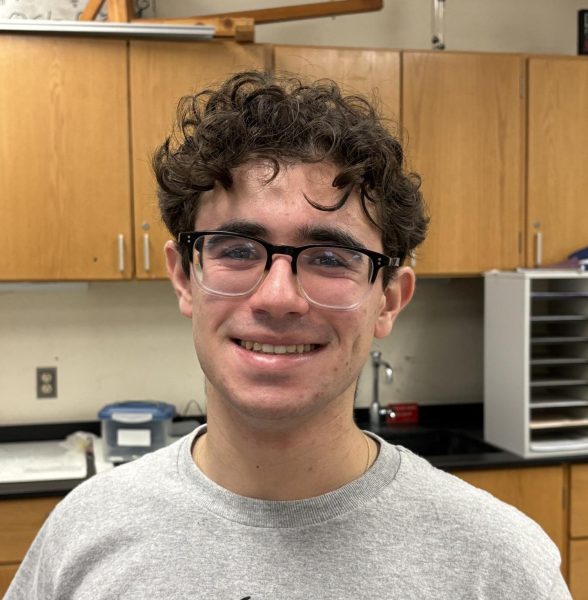
Schwartzman is also an officer in STEM Ambassadors, a small group of organizers and experimenters that’s committed to “building excitement about STEM within our community.”
STEM ambassadors spend meetings planning science awareness events like the infamous cardboard boat race, the STEM day with the elementary school, and the STEM fair with the middle school. When they’re not doing that, they’re launching potatoes from cannons and experimenting with Shrinky Dinks, which Schwartzman says, “have so much chemistry in them!”
“Math and science are so often considered to be these boring topics,” he says, “[the STEM Ambassador’s] job is to say ‘Hey there’s these really cool things in your life.’”
Especially for Erdenheimers and middle schoolers. He works to make kids realize that “building blocks is STEM, or cutting cardboard is STEM, or making robots that shoot a basketball is STEM.” Using their hands, he says, “puts that [excitement] in a box in their brain like ‘oh this is science or technology or engineering…’”
Playing with STEM “[brings] it out of the classroom.” Not just for Erdenheimers, but for Schwartzman too. He says that understanding the principles of being a scientist made him a better teammate: “part of the scientific process [is] step six, share your findings.” This follows him into places like his AP government class, where he collaboratively explains federalism.
He even talks about how STEM develops people’s passions–like his origami-obsessed friend: “There are so many uses for origami in STEM. Like space… When they launch satellites up, they need to be folded cause you can’t launch a big sheet into the air.”
The STEM ambassadors’ mission to “[bring] the STEM mindset into people’s view” manifests itself in the many passions that its members form.
Sustainability Club
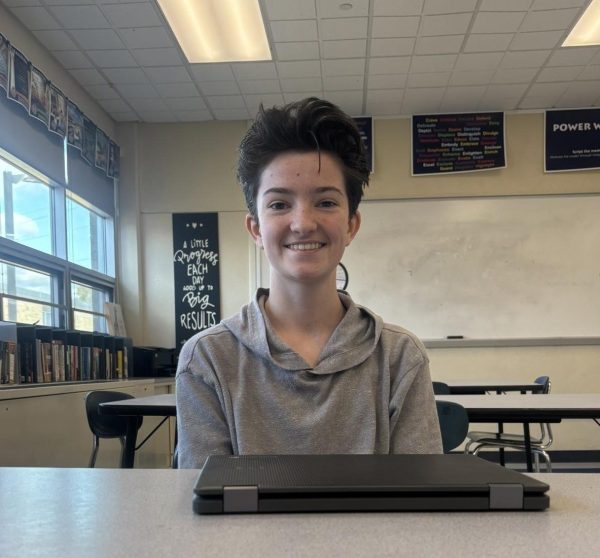
Sustainability is a service club known for friend-filled advocacy and service. Co-president, Adam Thorpe, describes their impact simply: “[We] teach you how to better [the environment] by introducing, and sustaining, native plants.”
Spartans can see the Sustainability Club’s work in Springfield’s courtyard, including their native plant contributions. Or in Fort Washington Park, in the trash-free shrubs. Thorpe says that the collaborative group “help[s] each other out… [they’re not] an echo chamber, [just] a group of people that want to serve the community.”
He’s even pursued sustainability outside of Springfield, as a member of the township’s Environmental Advisory Commission, and a frequent local volunteer with places like The Rotary Foundation.
Like Thorpe says, “it’s important to… help the world and your community.”
What’s the takeaway?
Springfield’s STEM clubs don’t just offer students a place to meet people interested in the same things as them; they serve as a hub of creativity and problem-solving. They encourage students to think outside the box, challenge them with fun problems, and create a place where they can thrive.
In a world where STEM is increasingly becoming part of our daily lives, these clubs work to create a generation of great thinkers, engineers, mathematicians, climate activists–and friends.