

Do you remember the days when summers were spent eating, sleeping, swimming, and having fun? They felt like just yesterday, but now as students enter high school and college enters the picture, pressures to fill one’s schedule rises quickly. These pressures bleed into the summer as well, as students spend their days working and learning rather than the usual swimming and sleeping. But is Springfield included in this pandemic?
Activities Over Summer:
Students in Springfield do keep busy during the summer, as sophomore Xavier Moore is working at a summer camp as well as “working with [his] mom to schedule up some summer programs,” and sophomore Abby Hay is “going to Indiana with the [school’s] thespian group for a theater festival,” and is performing at a theater camp afterwards. Freshman Colin Shane, however, is taking a different approach to his summer. Shane explained that he has “not structured [his] summer around a college resume” and instead plans on “enjoying [his] summer” while focusing on extracurricular activities during the school year instead.
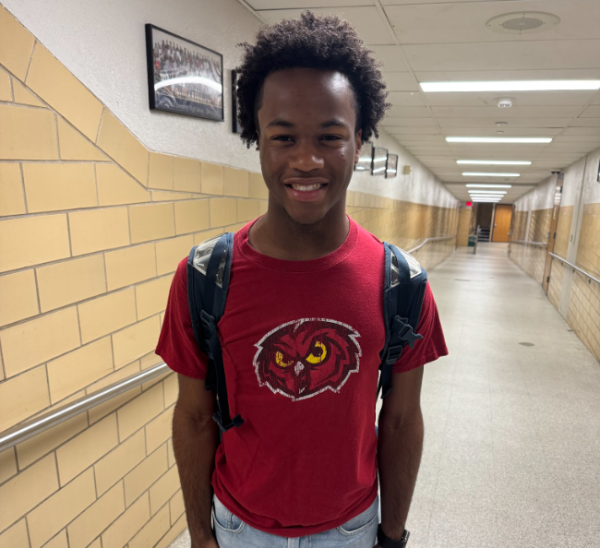
Junior Zach Breslin is balancing both enjoyment and preparation during his summer. Breslin shared that he usually does “volunteer work with Cradles to Crayons,” but this summer he will also be “working at an internship in the city.” According to Breslin, the internship connects directly to “the career [he wants] to pursue along with the major,” allowing him to gain experience while also strengthening his college applications.
Is There Pressure to Fill One’s Schedule?
Moore plans on working and doing programs in order “to work on [his] transcript to stick out to colleges more.” He states he has not noticed any pressure for adding to his transcript, as he “enjoys the activities [he does].” Contrary to Moore, Hay believes that there are definitely pressures to add to a transcript as a rising junior, especially because “[she has] a lot of friends who are juniors and seniors” and hears the difficulties of applying to colleges from them.
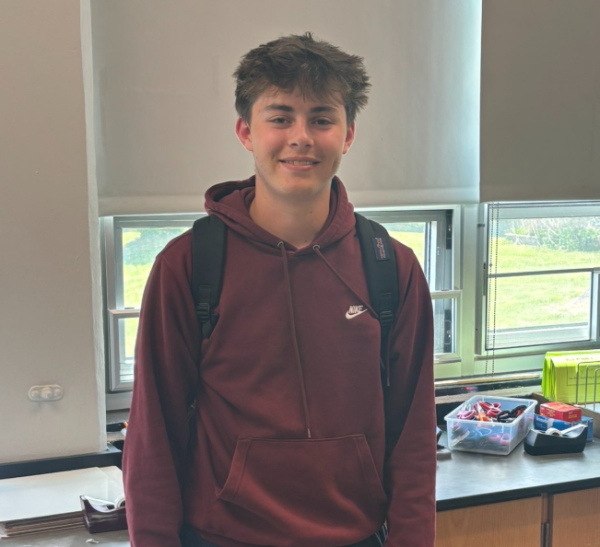
Shane believes that the pressure students feel often depends on both their age and personal goals. He said, “I think that it matters [on] the student when it comes to planning their summer around college,” adding that he believes the pressure “definitely comes after freshman year.” While Shane expects to take a more structured approach to summers in the future, he feels that students early in high school still have room to enjoy their break before college preparation becomes more intense.
Breslin agrees that students should still enjoy their summers despite the growing pressure surrounding college applications. He explained that while much of his summer is centered around “sports and being with friends,” he also uses his free time to look for opportunities such as “volunteering and finding jobs around the community to help others.” Unlike some students who feel pressure to constantly build their resumes, Breslin believes students should not sacrifice their summers entirely for college preparation. “If you can contribute to others and do what you can in your own time without ruining your summer, it can be just as productive,” he said.
Despite this outlook, Breslin admitted that balancing activities can still become overwhelming. He explained that “committing to so many things during summer is stressful,” especially while “working [his] job, playing on multiple sports teams, along with trying [his] best to build [his] resume.” Still, Breslin does not believe students need extraordinary accomplishments to impress colleges. He said, “I don’t think students need to invent something or build a crazy company to get a good look at decent colleges.” Instead, he believes colleges value students who demonstrate effort and commitment in the activities they genuinely care about.